I recently went through a breakup and moved houses after a period of financial instability, two instances of what psychologists Cochrane and Robertson reported to be the most stressful life circumstances.
I have moved nearly 10 times in my adulthood – almost all of them by myself, with zero help. In one circumstance, I abandoned most of my possessions and drove alone across the country to relocate to San Diego.
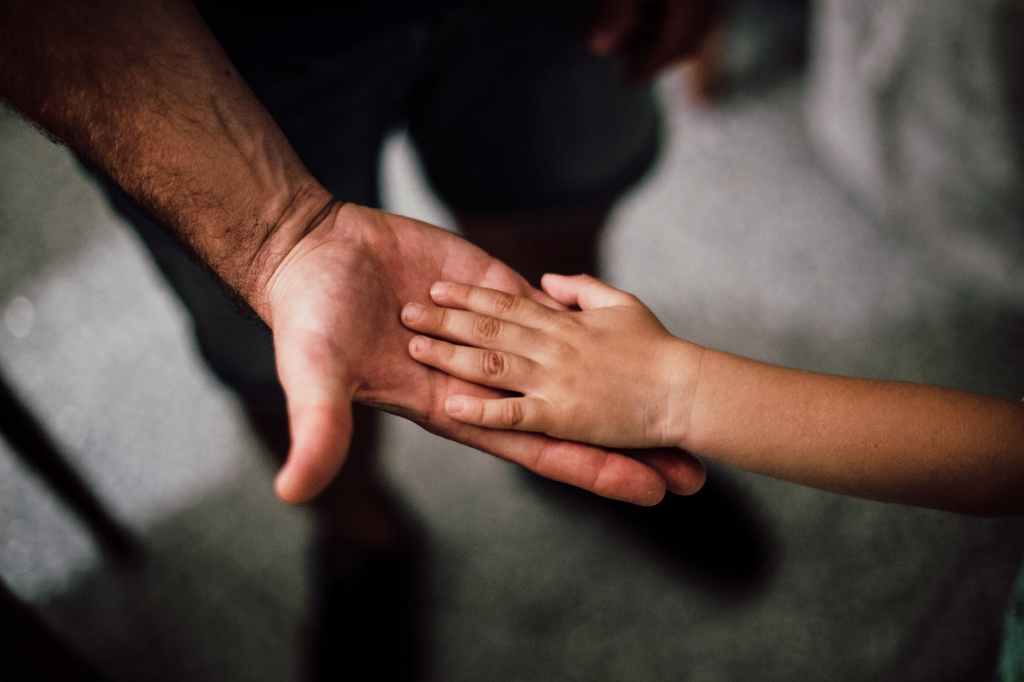
I’m not saying I don’t thrive on a sense of adventure, or that I didn’t enjoy these opportunities. I’m saying I felt alone in my experience, and that I wanted nothing more than for someone I loved to help me along the way.
I was presented with this feeling again this week as I packed my things and processed my transition.
“Am I really going to do this alone… again?”
Here’s the thing about help though – if you don’t ask for it, people don’t know you need it.
As children, many of us were shamed for showing strong emotions like sadness, anger, frustration, or even happiness. We were told our needs were a burden, our difficult emotions were “too much” and we were sent to our rooms or refused love until we were “tolerable” and mild-mannered again.
Our inability to share our emotions became a wound. We decided never to have needs at all.
I recently heard trauma described as a wounded part of us that needs love.
Much like a physical injury, our trauma speaks to us through discomfort. A mental or emotional wound that goes uncared for creates discomfort in the body. And it takes energy to ignore.

We develop behavior and beliefs to distract and prevent us from the experience of that pain. It takes up a great deal of mental space. Our conscious minds can’t handle it all. Physical symptoms manifest out of thin air – were you one of those unlucky kids who had asthma, anxiety or panic attacks as a child? At the time maybe they seemed without direct cause, but it was your body’s way of saying, “Hey. There’s a bigger problem here.”
We deplete our life force by stuffing these emotions down, making ourselves sicker until we become numb and depressed. We develop a shell – a thick, foggy layer of protection that not even the most perceptive can see past – so that no one can see us suffering.
Some of us carry this into adulthood. We become fiercely independent; we never need help because there’s never anything wrong. We GOT THIS. And we got YOU. Just don’t expect to hear anything but “good” if you ask us how we are. We are good. WE ARE GOOD, DAMMIT. And we will die on this hill (most likely by overachieving, overeating/drinking or overworking ourselves to death.)
When we’ve had one or more painful experiences around abandonment, we find that we must abandon ourselves and our emotions to prevent upsetting others.
Our child selves were unaware that this rejection had nothing to do with us; our caregivers were simply too depleted in suppressing their own wounds to help carry the weight of their child’s. But we’re not here to focus on our parents’ problems. We’re here because we want to take responsibility for our own.
So how do we give our wounds love?
We identify it, and allow it to tell us what we never allowed it to say.
Once we begin our healing journey, we will naturally find ourselves in situations where we have an opportunity to replay what happened to us as a child – but this time, we can rewrite how it goes.
As we transition into 2024, two roads diverge : Will we stay stuck in our self-limiting beliefs, or will we create opportunities to rewrite the story?
Let’s begin with the simple question – How do we even ask for help?
Sure, there are different ways to go about getting people to do things for you.
You could huff and puff and complain about your situation loudly enough that someone may be moved to offer help. But we’ll never really know whether the person helping genuinely wanted to help you, or if they just helped to stop the complaining.
Others can’t read our minds. Don’t assume the people close to you know what you need. And don’t expect people to anticipate your needs unless you’ve made those needs crystal clear — this is the vulnerable part. It’s the part we most fear because it will undoubtedly reveal your “too muchness” to be rejected again, or rediscovered as a gorgeous, blossoming strength.
So what does asking for help really look like?
Asking for help means stating a need in the form of a question without an attempt to manipulate someone into an answer you’d like.
The beauty of help is that it is given with genuine choice. A healthy receiver knows their needs are not a burden – they ask a question without expecting the response to be either yes or no. A healthy giver goes within themselves to find the answer, and chooses, without coercion, how they want to spend their time and energy.
Reaching out for support will show you who in your circle truly desires to support you and reveal those who will not. And finding this out can be difficult. But it doesn’t necessarily mean you’re not loved.
So don’t half ass your call for help. Ask with the full conviction that the support you deserve will reveal itself if it’s meant to, whether it’s in the form of your request or not.
There’s always a possibility someone might help you. And it’s possible they won’t.
But the ones that DO help won’t know you need it unless you ask for it.
Back to my story – I asked for help. And I got it. An overwhelming supply.
My mentor offered to help me move and pack. A friend wrote me a check for $500 as a gift. Someone I barely know sent me $300 in an unprompted “Happy Moving” money transfer. And I didn’t have to rent a U-Haul because another friend pulled up in her truck.
Do you know what she said when she pulled up to my house, in tears?
“Asking for help doesn’t mean you’re weak. It means you haven’t given up.”
 siobhanbarton.com
Leave a Reply